Free Workbook: The Little Explorer's Guide

A hands-on activity workbook designed for elementary-age kids. Download your free PDF and spark curiosity through fun, educational activities.

Download Free Workbook
Secure Checkout
American-Owned Business
Free Shipping on US Orders
Vetted Products Only
Real Support — (603) 973-3439
Garden Hands Scene

Curated by a mom who keeps the kit in the car.

Angela Gregoire built Hard Asset Security from a New England kind of common sense: storms happen, systems fail, and the best time to prepare is before the road closes.

Read Our Story

Real security isn't a feeling. It's built for the people who'd rather be ready than surprised.

The Seed Code

The Seed Code is a free guide to open-pollinated, non-GMO varieties selected for homestead and off-grid growing — vegetables, herbs, and medicinal plants chosen because they store well, grow reliably, and feed families when it matters most. Every seed purchase includes access.
Get The Code
How to Save Seeds from Your Garden (And Why Every Homestead Should)

How to Save Seeds from Your Garden (And Why Every Homestead Should)

Learn how to save seeds from your garden with this step-by-step guide. Open-pollinated, non-GMO varieties make seed s...
Read more
Off-Grid Power 101: What You Actually Need to Get Started

Off-Grid Power 101: What You Actually Need to Get Started

Ready to go off-grid? This beginner's guide covers the essential off-grid power equipment you need — solar panels, ba...
Read more
10 Hands-On Science Activities for Elementary School Kids (No Classroom Required)

10 Hands-On Science Activities for Elementary School Kids (No Classroom Required)

Looking for hands-on science activities for elementary school kids? These 10 school projects build real skills at hom...
Read more

Frequently Asked Questions

What's the minimum solar setup for off-grid living?

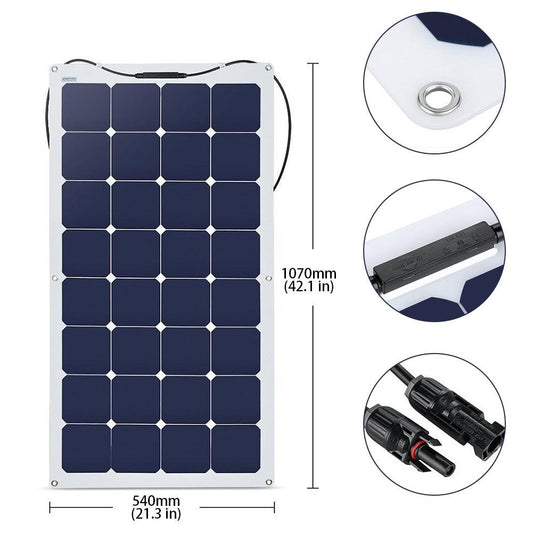
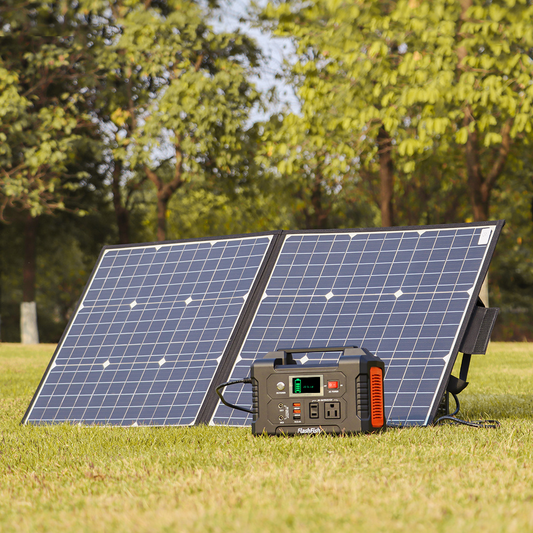
For most families, a 100W–200W portable solar panel paired with a 500Wh–1000Wh power station covers essential needs — lighting, phone charging, small appliances, and communication devices. Hard Asset Security carries curated solar kits sized for real off-grid scenarios.

How long does a 50-gallon rain barrel last a family of 4?

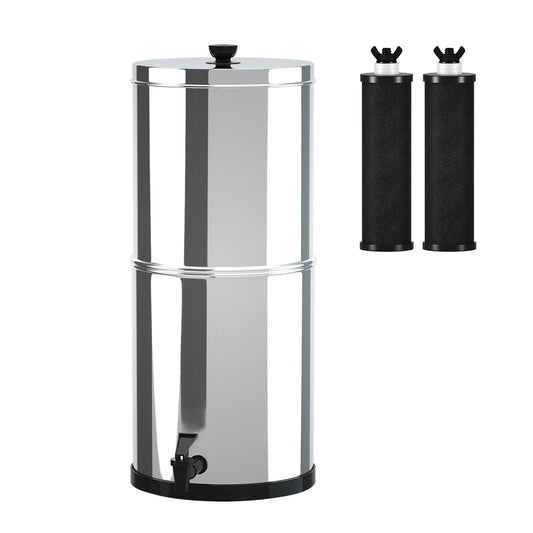
At average consumption of 1–2 gallons per person per day for basic needs, a 50-gallon barrel provides roughly 6–12 days of drinking and cooking water for a family of four. For longer-term storage, we recommend stacking multiple barrels or adding a filtration system.

What food storage do I need for a 72-hourmergency?

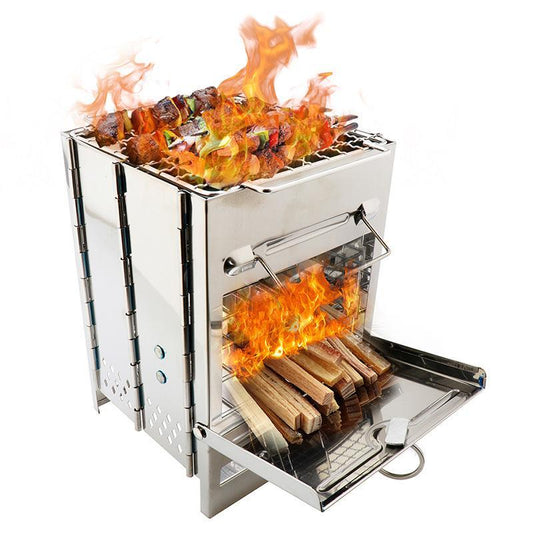
FEMA recommends a minimum of 1 gallon of water per person per day and at least 3 days of non-perishable food. A solid 72-hour kit includes water storage, calorie-dense food, a manual can opener, and basic cooking capability like a wood-burning stove.

What's the best way to secure firearms at home?

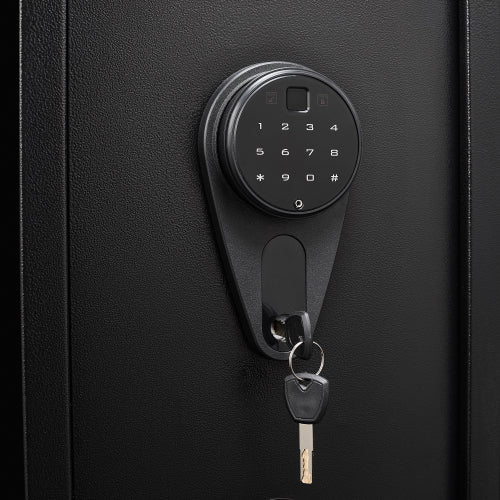
A dedicated long rifle safe with an electronic keypad and fingerprint access provides fast, secure storage that keeps firearms away from children while remaining accessible to authorized users. Cold-rolled steel construction is the standard for residential security.

What is the difference between a 72-hour kit and a bug out bag?

A 72-hour kit and a bug out bag serve the same core purpose: providing supplies to survive for 3 days during an emergency evacuation. The terms are used interchangeably. A bug out bag typically emphasizes portability and self-reliance for wilderness or urban survival scenarios, while a 72-hour kit may be optimized for shelter-in-place or short-term displacement situations.

Where should I store my emergency kit?

Store your emergency kit in an easily accessible location near an exit — such as a hallway closet, garage, or under a bed. Avoid areas with extreme temperature fluctuations. Keep one kit at home and consider a smaller kit in your vehicle for emergencies away from home.

How long do emergency kit supplies last?

Emergency kit food and water supplies typically last 3 to 5 years when stored properly in a cool, dry location. Our kits use food bars and water pouches with a verified 5-year shelf life. Water purification tablets extend your water supply indefinitely as long as a water source is available.

What is the best emergency kit for one person?

The best emergency kit for one person is compact, lightweight, and covers all five survival categories: food and water, shelter and warmth, light and communications, hygiene and sanitation, and first aid. Our 1 Person Necessity Survival Kit Backpack is expert-designed and covers all five categories in a single grab-and-go backpack.

How much food and water do you need for 72 hours?

For one person over 72 hours, you need a minimum of 3 gallons of water and at least 3,600 calories of non-perishable food. Our kits include high-calorie food bars with a 5-year shelf life and water pouches with purification tablets to ensure safe drinking water even when tap water is unavailable.

What should be in a 72-hour emergency kit?

A 72-hour emergency kit should contain food, water, shelter supplies, first aid materials, light sources, communication tools, and hygiene items for each person in your household. FEMA recommends at least 1 gallon of water per person per day, 3 days of non-perishable food, a flashlight, a first aid kit, a whistle, dust masks, plastic sheeting, duct tape, a manual can opener, local maps, and a cell phone with chargers.